

Whether it’s threading the needle of byzantine and contradictory-seeming regulations to understanding obscure (but hugely impactful) sections of the tax code, understanding the lay of the cannabis landscape is a must. Contact Us Today if you have any questions about cost accounting for your cannabis business. Although legal restrictions of the marijuana companies force you to provide complete documentation and legal navigation, the good news is that remaining in line with legal regulations helps you reduce your tax burden. Tracking your expenses vividly will ultimately save a lot of money for your business.
Audit-Ready Documentation
They know the common reasons cannabis businesses get audited and can save you from these filing errors. With the industry under close IRS observation, dispensary accounting has to be thorough and prevent the issues that lead to audits before they happen. While some states allow full recreational cannabis use, others are even strict about CBD usage. Getting a bank account for a cannabis business is difficult in many states. Cannabis accounting has different steps and solves different problems than traditional business accounting. The cannabis industry is still relatively new and experiences unique accounting challenges.
Raising money
It’s a part of inventory management that you need to do so you can keep everything in order. Licensees have to make sure their systems are completely integrated with BioTrack by January 17, 2025, if they are to satisfy compliance requirements. As integration advances, the OCM will offer more direction; licensees should routinely review the BioTrack system and OCM updates for the most current criteria (New York State Office of Cannabis Management, 2024b). The state has reported significant revenue contributions from medical cannabis, cannabinoid hemp, and adult-use cannabis. Recreational cannabis is legal in all New York cities and in the state of New York. It has been legal for medical use since 2016 and for recreational use since 2021.
The Essential Steps to Building a Successful Cannabis Accounting Firm
Reach out to Dimov NYC CPA for professional assistance on cannabis tax filings and bookkeeping as well as compliance services custom-tailored to distinct operations. We are based in New York and embrace the local requirements—so our clients can only focus on growth. As of 2018, 29 states plus Washington, D.C, have legalized marijuana for medical use. Out of those 29 states, nine plus Washington, D.C, have legalized it for recreational use. A 2017 Gallup poll showed that 64 percent of Americans support legalization. However, since marijuana is not legal in any form under federal law, it makes the accounting and taxes a little tricky.
Unlock Insights for a Smarter Financial Future
The reason for a standard chart of accounts across all QuickBooks files will become evident as you consolidate financial reports from your separate QuickBooks files. As your business grows, you will likely need to add accounts to one or more QuickBooks files. When you do, add the new accounts to the other QuickBooks files with the same account number and description.
- Knowing your inventory information and sales numbers is important when making financial decisions about your dispensary’s future, and it’s also vital when trying to sway investors.
- Of course, while challenging, preparing tax returns for dispensary owners is not impossible.
- Section 280E of the IRS code presents unique challenges to cannabis businesses.
- Accountants should establish a consistent line of communication with warehousing teams, collaborating closely to ensure that inventory numbers stay aligned with real-world quantities.
Choosing the Right Bookkeeping Software
They also need to know the expected yield of each plant and the projected sale date. After identifying inventorial costs, the next step is defining equivalent units of measure. This process involves tracking the progress of the business’s production and sales in a specific and consistent unit. For cultivators, an equivalent unit of measure could be plants, which are then converted https://www.bookstime.com/ into pounds of flower and trim by calculating an average yield per plant. One argument is that companies under $25m/year in average sales for three years can operate on a “cash basis,” deducting everything as it’s incurred.

Many elements affect the cost of acquiring and keeping a cannabis license in New York, including license type, company size, and legal requirements. These expenses are quite important for New York Cannabis Accounting techniques since they affect financial planning for both new applicants and current license holders. Many cannabis businesses stick with the basics such as QuickBooks, Xero, and Excel, but we’ll take a look at some industry-specific options below, as well. Besides the IRC 280E, there are other tax requirements that cannabis businesses must fulfill to maintain their license and stay out of trouble with the IRS. In compliance with this, cannabis-related businesses follow strict limitations when reporting taxable income, with the cost of goods sold being the only deductible expense. Cash-only businesses can be challenging to manage, and those in the cannabis business are no exception.
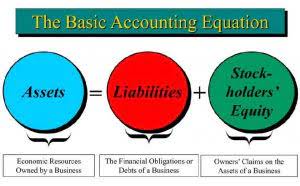
According to Cannabis Business Journal, dispensaries with robust accounting systems are significantly more likely to secure funding, maintain compliance, and navigate complex regulatory landscapes. With Distru, operators can easily Debt to Asset Ratio manage their chart of accounts, categorize expenses, and generate detailed financial reports. Distru also includes features for inventory management, order processing, and compliance reporting, making it a true end-to-end solution for cannabis businesses.

Do hemp beverage companies need a Cannabis CFO?
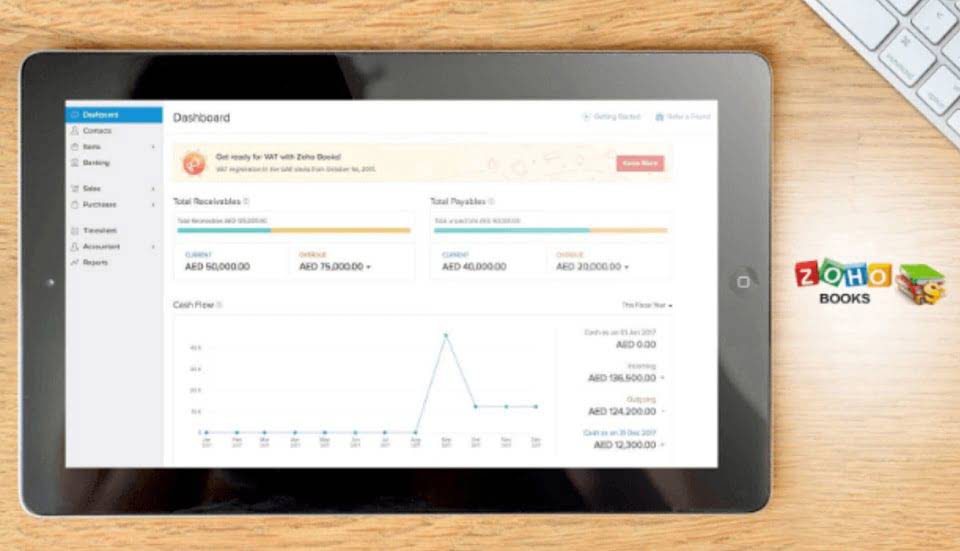
Bookkeeping may not be the most glamorous aspect of running a cannabis dispensary, but it is one of the most important. This requires a deep understanding of the tax code and a robust bookkeeping system that can accurately track and categorize expenses. Many dispensary owners choose to work with a specialized cannabis accountant or tax professional to ensure that they are staying compliant and maximizing their deductions. dispensary accounting There are many varied sub-niches, which can be very complicated to serve effectively. These sub-niches include farming, processing, manufacture, labs, distribution and retail, and many times all of those will fall under the same company. On top of that, there is a lack of Big 4 industry guides or training, no GAAP guidance, and almost no tools or workpapers outside of our program, making it extremely difficult to serve these clients well and maximizing your time!